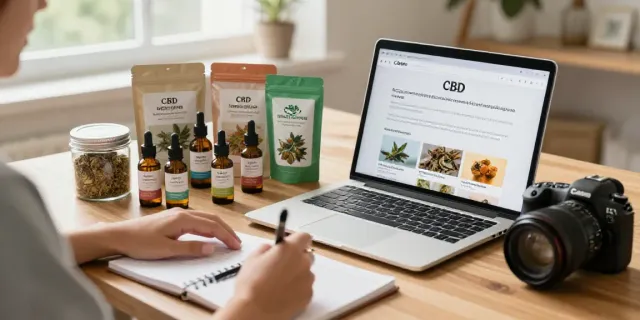
Understanding CBD Concentrates and Their Benefits
As the wellness industry continues to expand, more individuals are turning to Cannabidiol (CBD) for its potential therapeutic benefits. Among the various forms of CBD, concentrates stand out for their potency and versatility. These products offer a concentrated source of cannabinoids and terpenes, providing wellness enthusiasts with a powerful tool for managing various health concerns. With over 20 years of experience in the industry, we at Firebudz understand the significance of quality and transparency in delivering exceptional cannabis products. When exploring options, concentrate delivery near me provides comprehensive insights, ensuring that individuals can find reliable sources for their CBD needs.
What Are CBD Concentrates?
CBD concentrates are highly potent forms of Cannabidiol, extracted from the cannabis plant. They contain a higher concentration of cannabinoids, typically ranging from 60% to 90%, making them much stronger than traditional CBD oil or tinctures. These concentrates can come in various forms, including wax, shatter, and oil, and are often used in different applications such as vaping, dabbing, or mixing into edibles and topical products. The extraction methods used to produce these concentrates, like CO2 extraction, are crucial in maintaining the purity and effectiveness of the product.
Health Benefits of CBD Concentrates
Research suggests that CBD concentrates may offer a wide range of health benefits. Users often report relief from stress, anxiety, inflammation, and chronic pain when utilizing these products. Additionally, CBD has been explored for its potential role in improving sleep quality and enhancing overall well-being. One of the cornerstones of CBD's therapeutic action is its interaction with the endocannabinoid system (ECS), which plays a crucial role in regulating various physiological processes, including mood, pain perception, and immune response.
Concentration vs. Other CBD Forms
Unlike traditional CBD oils or capsules which may contain lower concentrations of cannabinoids, concentrates provide users with a more potent option. This increased potency can lead to faster onset of effects and more pronounced therapeutic benefits. However, it’s vital for users to understand the importance of dosage when using concentrates, as these products can vary significantly in cannabinoid concentration, making it necessary to approach usage with caution.
Types of CBD Products for Concentrate Delivery
When it comes to consuming CBD concentrates, various product types cater to different preferences and needs. Understanding these product forms can help you select the right one for your usage.
Oils and Tinctures
CBD oils and tinctures are among the most popular methods of taking concentrates. These products are typically administered sublingually, allowing for quick absorption through the mucous membranes in the mouth. They come in various flavors and strengths, catering to different tastes and dosing requirements. Users should be aware of the dosing recommendations and should start low, gradually increasing their intake based on their body’s response.
Edibles and Capsules
For those who prefer a more traditional method of consumption, CBD-infused edibles and capsules are a great option. These products offer a discreet way to intake CBD, as well as the convenience of pre-measured doses. However, it’s essential to note that edibles can take longer to produce effects, as they must pass through the digestive system before entering the bloodstream. Users should consider their metabolism when dosing with edibles.
Topicals and Vaping Options
CBD topicals, which include creams, balms, and patches, provide localized relief and have been found effective for conditions such as muscle pain or skin irritations. Vaping options, such as e-liquids and cartridges, offer an alternative method for users seeking immediate relief, as the inhalation method allows for rapid absorption into the bloodstream. While vaping can be effective, it's crucial to select high-quality products that undergo rigorous third-party testing to ensure safety.
Dosage Guidelines for Optimal Use
Determining the correct dosage of CBD concentrates can be a challenge due to individual variability in response. Below are some guidelines for ensuring safe and effective use of these products.
Calculating Your Ideal Dosage
Start with a low dose and gradually increase until the desired effects are achieved. Factors like weight, individual body chemistry, and the specific condition being addressed will affect how much CBD a person might need. A common recommendation is 1-6 mg of CBD for every 10 pounds of body weight, though it's advisable to consult with a healthcare professional for personalized advice.
Dosing CBD Concentrates Safely
When introducing CBD concentrates into your regimen, the “start low and go slow” principle is vital. Begin with the smallest effective dose and monitor your body's response before adjusting. Be cautious, especially with products that contain high THC levels, as these may lead to unwanted psychoactive effects.
Adjusting Dosage Based on Effects
Individuals should be attentive to how their body responds to CBD, as adjustments may be necessary. Factors such as stress levels, diet, and other medications can impact CBD effectiveness, making a flexible dosing approach essential for optimal results.
Ensuring Quality and Compliance in CBD Concentrate Products
Due to the rapid growth of the CBD industry, maintaining product quality and compliance is more critical than ever. Consumers should be informed about key indicators of product quality.
Understanding Certificates of Analysis (COA)
A Certificate of Analysis (COA) is a document issued by an independent lab that indicates the cannabinoid profile and purity of a product. It is crucial for consumers to ask for and review COAs to ensure they are using safe and effective CBD concentrates. These documents should detail cannabinoid levels, terpene profiles, and any contaminants that were tested for.
Identifying Lab-Tested Products
Look for brands that provide access to third-party laboratory testing results. This transparent approach is essential in verifying claims regarding potency and safety. Dispensaries like Firebudz prioritize lab testing to ensure their customers receive high-quality cannabis products.
Legal Compliance and Industry Standards in 2026
The 2018 Farm Bill legalized hemp-derived CBD products containing less than 0.3% THC at the federal level. However, state regulations vary, and it’s essential for consumers to stay informed about local laws to ensure compliance. Additionally, the FDA is still navigating the regulatory landscape for CBD products, making it crucial for consumers to stay updated on any changes affecting product availability and legality.
Safety and Precautions with CBD Concentrates
While CBD is generally considered safe, potential side effects and interactions should be understood to ensure responsible usage.
Potential Side Effects and Interactions
Common side effects of CBD use can include drowsiness, dry mouth, and digestive changes. It’s essential for users to be aware of potential interactions with medications, particularly blood thinners and anti-seizure drugs. Individuals should consult a healthcare professional before starting CBD, especially if they are pregnant, breastfeeding, or have existing health conditions.
Storage and Shelf Life Best Practices
To maintain potency, CBD concentrates should be stored in a cool, dark place, away from direct sunlight and humidity. Proper storage extends the shelf life, allowing products to retain their effectiveness over time. Always check expiration dates and be cautious with products that change in color, smell, or consistency.
When to Consult a Healthcare Professional
Users are encouraged to consult with a healthcare provider before using CBD products, particularly if they are taking other medications, have pre-existing health issues, or are uncertain about appropriate dosages. Professional guidance can provide valuable insights tailored to individual health needs.
What is the difference between CBD and THC?
CBD (Cannabidiol) and THC (Tetrahydrocannabinol) are both major cannabinoids found in the cannabis plant, but they have different effects on the body. While THC is known for its psychoactive properties causing a “high,” CBD is non-psychoactive and is often sought for relief without intoxication. Understanding the differences is crucial for users to navigate their options effectively.
How to read and understand lab results?
Lab results can be complex, but understanding the key components is vital. Look for cannabinoid percentages, which indicate the potency and effectiveness of the product. Pay attention to any listed contaminants such as heavy metals, pesticides, or solvents, which should be absent in quality products. Understanding these metrics is essential for making informed choices.
Are all CBD products created equal?
Not all CBD products are of the same quality. For more information, order weed online offers valuable insights. Variability can exist based on factors such as extraction methods, the source of the hemp, and the manufacturing process. Users should seek out reputable brands, read product reviews, and consult third-party testing results to ensure they're choosing high-quality, effective CBD concentrates.