
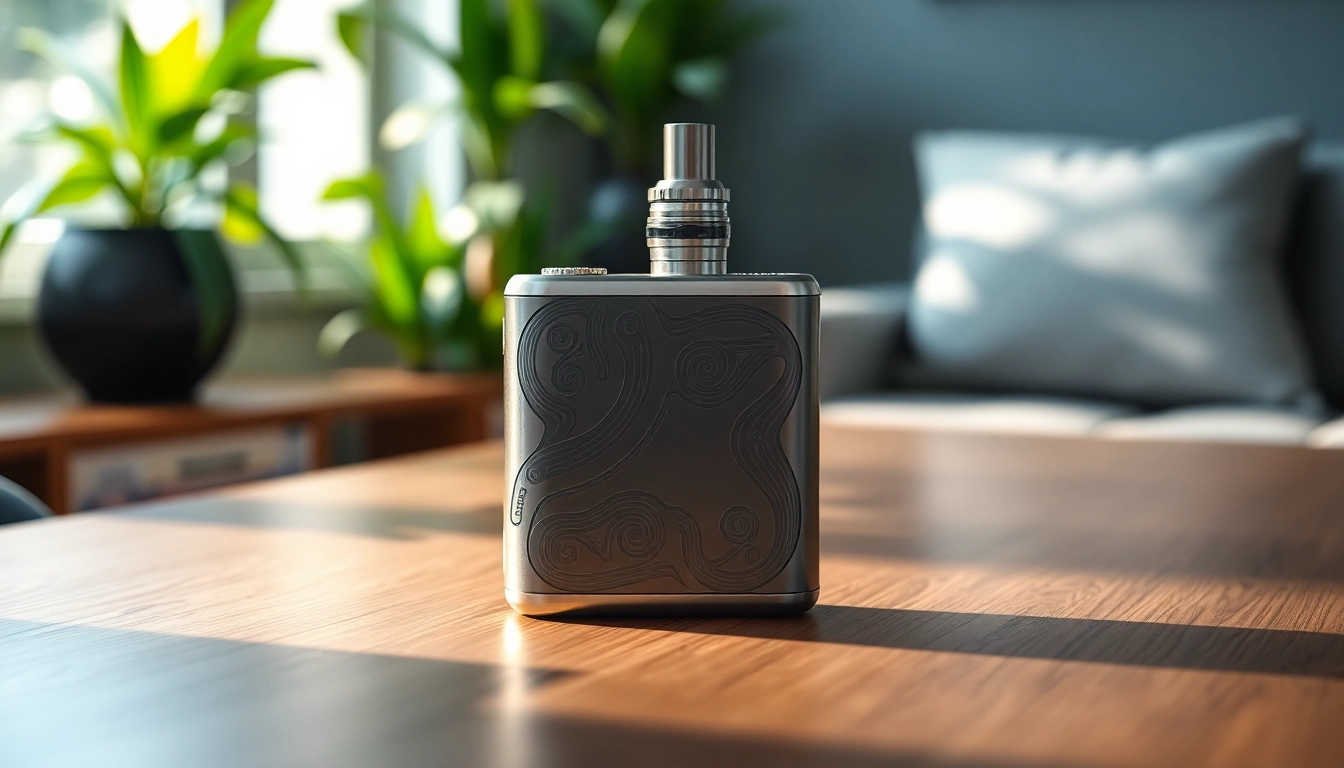
Understanding the Basics of Dry Herb Vaporizer
What is a Dry Herb Vaporizer?
A dry herb vaporizer is a device designed to convert dry herbs into vapor instead of smoke. By heating the material to a vaporization temperature below its combustion point, these devices allow users to inhale the active compounds safely and efficiently. This method of consumption has gained popularity due to its perceived health benefits and increased flavor profiles compared to traditional smoking methods. Many enthusiasts choose a dry herb vaporizer for a cleaner, smoother experience without the byproducts of combustion.
How Does a Dry Herb Vaporizer Work?
At its core, a dry herb vaporizer uses a heating element to elevate the temperature of the dry herb. The device typically features a chamber where the herb is placed. As the heating element brings the temperature up, the essential oils and active ingredients within the herb evaporate. The user inhales this vapor through a mouthpiece. Various methods of heating are employed, including convection, conduction, and hybrid approaches. These methods determine how evenly the material is heated and how well the flavors and effects are extracted.
Benefits of Using a Dry Herb Vaporizer
Using a dry herb vaporizer offers a range of benefits compared to traditional smoking methods. Firstly, vaporization significantly reduces exposure to harmful tar and carcinogens associated with smoke. This can lead to a healthier respiratory experience. Additionally, vaporizers often deliver a more flavorful and aromatic experience due to lower-temperature extraction, avoiding the ‘burnt’ taste common in smoke. Furthermore, many users report more potent effects when vaporizing herbs, attributed to the efficient release of active compounds without burning the material.
Choosing the Right Dry Herb Vaporizer for Your Needs
Key Features to Look For
When selecting a dry herb vaporizer, there are several essential features to consider to ensure you choose the best model for your needs. Begin with the heating method—convection vaporizers tend to offer more even heating and better flavor profiles but are often pricier, while conduction models are typically more affordable and easier to use. Additionally, consider the size and portability of the device. Portable vaporizers offer convenience for on-the-go use, while tabletop models may provide enhanced performance and larger herb capacity. Battery life and charging methods are also critical factors, especially for portable units. Lastly, look at the temperature control options; devices with precise control can significantly enhance your vapor quality and experience.
Portable vs. Tabletop Dry Herb Vaporizer
Choosing between a portable and a tabletop dry herb vaporizer depends largely on your lifestyle and usage preferences. Portable vaporizers are compact and easy to carry, making them ideal for users who value convenience and mobility. They often come with built-in batteries, but be mindful of the battery life. On the other hand, tabletop vaporizers provide stronger performance, larger herb chambers, and often superior vapor quality due to their more robust heating systems. These are perfect for group settings or at-home use. Ultimately, the choice depends on whether you're looking for something convenient to take on the road or a more powerful option for home use.
Price Range and Value Considerations
The price of dry herb vaporizers can vary significantly based on their type and features. Budget options start around $30 to $100, while mid-range devices fall between $100 to $250, typically offering better construction and more advanced features. Premium vaporizers can cost over $250 and often include high-grade materials, advanced heating technologies, and additional functionalities. When assessing value, consider not just the upfront cost but also factors like build quality, efficiency, and expected longevity. Investing in a higher-quality vaporizer can enhance your experience and may result in lower long-term costs due to durability.
Using a Dry Herb Vaporizer Effectively
Best Practices for Packing and Temperature Settings
To maximize your experience with a dry herb vaporizer, it’s crucial to pack your herb correctly. Break down your herbs into a fine consistency without packing too tightly, which can hinder airflow. The ideal pack should allow for proper vaporization. Regarding temperature settings, different compounds within herbs vaporize at varying temperatures. Start at lower temperatures (around 330°F/165°C) for more flavorful and aromatic clouds, and gradually increase to around 400°F/205°C for thicker vapor. Experiment to find the sweet spot that suits your preference.
Maintenance Tips for Longevity
Maintaining your dry herb vaporizer is essential to ensure its longevity and optimal performance. Regular cleaning helps prevent residue buildup, which can affect the flavor and vapor quality. Use isopropyl alcohol and cotton swabs to clean the chamber, mouthpiece, and any screens. Additionally, replace screens as needed to maintain airflow. Always check the manufacturer's recommendations for specific cleaning practices and intervals. Proper maintenance not only extends the life of your device but also ensures a consistently enjoyable experience.
Safety Precautions When Using a Dry Herb Vaporizer
Safety should always be a priority when using a dry herb vaporizer. Begin by reading the user manual thoroughly, focusing on operation and safety instructions. Ensure the device is placed on a stable surface, away from flammable materials, during use. Always monitor the device for overheating, and allow it to cool down after use to avoid burns. Lastly, never leave the vaporizer unattended while in use, and store it in a safe place when not in use, particularly if it’s a portable unit.
Troubleshooting Common Issues with Dry Herb Vaporizers
Recognizing and Fixing Performance Problems
As with any device, dry herb vaporizers can encounter performance issues. Common problems include inadequate vapor production, uneven heating, or strange tastes. If vapor production is low, check the packing density and make sure there’s enough herb in the chamber. For uneven heating, inspect the heating element—if it’s not functioning correctly, it may require replacement. If there’s an unpleasant taste, clean the device thoroughly to remove any buildup and check for any burnt material.
Dealing with Clogs and Blockages
Clogs can be a frustrating issue when using a dry herb vaporizer. Most commonly, blockages occur in the mouthpiece or airflow path due to resin buildup. Regular cleaning can help prevent this, but if a clog does occur, carefully remove and clean any detachable parts. Using a thin tool can help dislodge any debris that may be obstructing the airflow. Additionally, avoid overpacking the chamber, which can lead to vapor build-up and clogs.
How to Ensure Optimal Vapor Quality
To achieve optimal vapor quality, focus on a combination of air flow, packing density, and temperature control. Aim for a loose pack in the chamber to allow for sufficient airflow. Experiment with temperature settings to find what extracts the maximum flavor and potency while still providing a smooth draw. It’s also important to maintain a clean device. Regular cleaning and maintenance ensure that you’re always getting the purest vapor, free from unwanted flavors or residues.
Frequently Asked Questions about Dry Herb Vaporizers
What materials can be used in a dry herb vaporizer?
Dry herb vaporizers are primarily designed for dry herbs, though some models can accommodate concentrates. Always verify compatibility with your device.
How do I clean my dry herb vaporizer?
To clean your dry herb vaporizer, use isopropyl alcohol and cotton swabs for residue removal. Thoroughly clean the chamber, mouthpiece, and screens regularly.
Is using a dry herb vaporizer healthier than smoking?
Yes, using a dry herb vaporizer significantly reduces harmful byproducts found in smoke, making it a healthier alternative that minimizes respiratory irritants.
Can I use my dry herb vaporizer with concentrates?
Some dry herb vaporizers are compatible with concentrates; however, it’s crucial to check your device's specifications before using any non-dry herb materials.
How do I determine the right temperature for my dry herb vaporizer?
The right temperature varies by strain—generally, lower temperatures (330°F/165°C) yield better flavor, while higher temps (400°F/205°C) enhance potency. Adjust according to personal preference.