
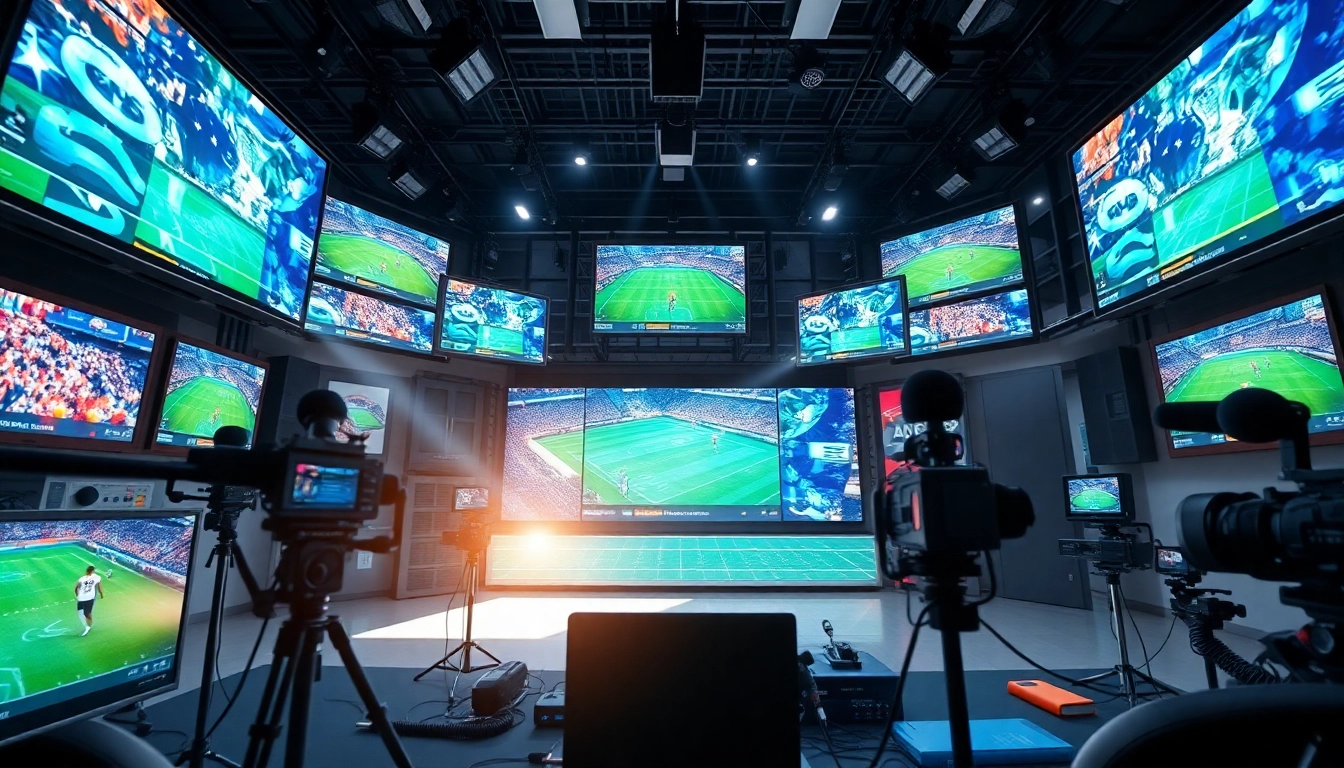
Understanding the Landscape of Sports Broadcasting
Sports broadcasting has transformed dramatically over the decades, evolving from radio broadcasts and limited televised events to a complex web of live-streaming, on-demand content, and interactive experiences. This shift is driven by technological advancements as well as changing audience expectations. In this article, we will explore various aspects of Sports Broadcasting, from its historical roots to current trends and future innovations, providing insights for aspiring broadcasters and businesses in the field.
History and Evolution of Sports Broadcasting
The origins of sports broadcasting can be traced back to the early 20th century when radio became the primary medium for sharing sporting events with the public. The thrill of live commentary allowed fans to experience the excitement of their favorite sports from the comfort of their homes. As technology progressed, television emerged in the mid-20th century, bringing visual coverage to audiences worldwide and revolutionizing the way sports were consumed.
Prominent sporting events such as the Olympics and the Super Bowl became major television spectacles, attracting millions of viewers. The introduction of cable television in the 1980s also expanded the broadcasting landscape, providing specialized sports channels dedicated to 24/7 coverage. Today, the focus has shifted again with the rise of online streaming platforms, allowing fans to watch games on various devices, anytime and anywhere.
Current Trends in Sports Broadcasting
The demand for dynamic and engaging content has led to several current trends shaping the industry. One major trend is the integration of social media in sports broadcasting. Platforms like Twitter and Instagram not only provide instant updates but also enhance viewer engagement through live interactions, highlights, and behind-the-scenes footage.
Additionally, the use of augmented reality (AR) and virtual reality (VR) is changing the way audiences experience sports. These technologies offer immersive experiences and sophisticated graphic overlays, providing viewers with statistics, player information, and more during live broadcasts. Moreover, data analytics are becoming increasingly prominent, allowing broadcasters to analyze viewer behavior and preferences, which can then inform future content and marketing strategies.
Future Outlook and Innovations in Sports Broadcasting
As we look to the future, the sports broadcasting industry is expected to continue evolving rapidly. Innovations such as 5G technology promise to deliver faster and more reliable connections, improving the quality of live streaming and enabling more interactive content.
Furthermore, artificial intelligence (AI) is likely to play a significant role in personalizing viewing experiences, curating content based on individual preferences, and automating certain aspects of production. Partnerships between traditional broadcasters and tech companies will also likely increase, fostering an environment of collaboration that supports the development of unique broadcasting solutions.
Key Elements of Successful Sports Broadcasting
Choosing the Right Equipment for Sports Broadcasting
The foundation of successful sports broadcasting lies in selecting the right equipment. High-quality cameras, microphones, and streaming software are critical. Broadcasters should invest in cameras capable of capturing high-definition video and provide clear audio, enhancing viewer experience.
Moreover, a reliable broadcasting platform is essential for seamless live streams. Factors such as bandwidth availability and audience size should play a crucial role in the decision-making process. Equipment should also support multiple formats, catering to diverse platforms—be it television, web, or mobile applications.
Developing Engaging Content for Sports Broadcasting
Content is king in sports broadcasting. To capture and maintain viewer interest, broadcasters must create engaging, compelling, and relevant content. This includes not just the actual game, but also pre- and post-game commentary, interviews with players and coaches, and analysis of key moments.
Utilizing storytelling techniques can bring added depth to sports broadcasts, allowing audiences to connect emotionally with the events. Highlighting personal stories, rivalries, and the journey of athletes keeps the narrative alive and boosts viewer affection for their favorite teams and players.
Effective Marketing Strategies in Sports Broadcasting
Effective marketing strategies are vital for the success of a sports broadcasting venture. Leveraging social media platforms can attract audiences, creating buzz around live events. Engaging with fans through interactive polls, live chats, and behind-the-scenes content can stimulate community growth and loyalty.
Additionally, building partnerships with brands, athletes, and influencers can enhance visibility and promote new content. Sponsored segments and co-branded initiatives can attract additional revenue while reinforcing the broadcaster’s relevance in the competitive landscape.
Challenges Faced in Sports Broadcasting
Technical Issues in Sports Broadcasting
Technical challenges are a constant concern in sports broadcasting. Issues such as video buffering, audio problems, and equipment failures can mar the viewer experience. Investing in dependable technology and infrastructure is essential for ensuring smooth broadcasts.
Moreover, having adequate technical support on site and implementing rigorous testing protocols before live events can help mitigate potential failures. Preparation, combined with rapid troubleshooting capabilities, plays a pivotal role in sustaining professionalism during live broadcasts.
Audience Engagement Challenges in Sports Broadcasting
Engaging audiences consistently can be challenging in a world brimming with entertainment options. Broadcasters must continually innovate their content to retain viewers’ attention. This might involve experimenting with different formats, such as interactive live broadcasts, fan-led discussions, or integrating gamification mechanics into the viewer experience.
Furthermore, soliciting viewer feedback and analyzing analytics are crucial for understanding audience preferences and interests, enabling broadcasters to adapt their strategies effectively.
Regulatory Considerations in Sports Broadcasting
In the complex landscape of sports broadcasting, regulatory considerations cannot be overlooked. Broadcasters must navigate various licensing agreements, broadcasting rights, and intellectual property laws to avoid legal pitfalls.
Staying informed about changing regulations is vital, especially concerning copyright and broadcasting policies. Collaborating with legal experts in sports media can provide valuable guidance and support in safeguarding the integrity of broadcasts.
Measuring Success in Sports Broadcasting
Key Performance Indicators for Sports Broadcasting
Success in sports broadcasting can be quantified through various key performance indicators (KPIs). Metrics such as viewership ratings, engagement levels on social media, and audience reach should be consistently monitored. Understanding which strategies resonate with the audience provides insights for future content planning.
Additionally, revenue from advertising and sponsorships should be tracked to gauge financial performance, as well as subscription numbers and retention rates for subscription-based models, reflecting the overall value proposition offered to audiences.
Analyzing Audience Feedback in Sports Broadcasting
Collecting and analyzing audience feedback is fundamental for improving broadcasting content and engagement strategies. Broadcasters can employ surveys, polls, and social media sentiment analysis to gather qualitative insights from fans. Such feedback helps in identifying areas for enhancement and in learning more about viewer preferences.
Responding to feedback can create a more engaged community, as audiences appreciate feeling heard and valued. This interaction can serve to bolster loyalty and retention over time.
Adjusting Strategies Based on Performance Metrics in Sports Broadcasting
Continuous evaluation of performance metrics is integral to refining broadcasting strategies. By revisiting KPIs and audience analysis, broadcasters can adapt their content and marketing approaches to meet viewer expectations more effectively.
Offering varied content styles, adjusting schedules, or enhancing marketing efforts based on what resonates with the audience can lead to increased viewership and loyalty. This dynamic approach ensures that broadcasters remain responsive to changes in audience demand and industry trends.
FAQs About Sports Broadcasting
What are the essential tools for sports broadcasting?
Essential tools include high-definition cameras, professional microphones, streaming software, and reliable broadcasting platforms to ensure high-quality production and transmission.
How do you measure audience engagement in sports broadcasting?
Audience engagement can be measured using metrics like viewership ratings, social media interactions, comments, and overall audience reach during broadcasts.
What trends are shaping the future of sports broadcasting?
Key trends include the rise of streaming services, enhanced use of social media, integrated AI technologies, and immersive AR/VR experiences in viewing sports events.
How does live streaming impact sports broadcasting?
Live streaming allows for real-time viewing experiences, increases accessibility, and attracts a younger, tech-savvy audience, greatly influencing broadcasting strategies.
What legal considerations should sports broadcasters keep in mind?
Legal considerations include intellectual property rights, licensing agreements, broadcasting rights, and adhering to national regulations surrounding media and broadcasting.