
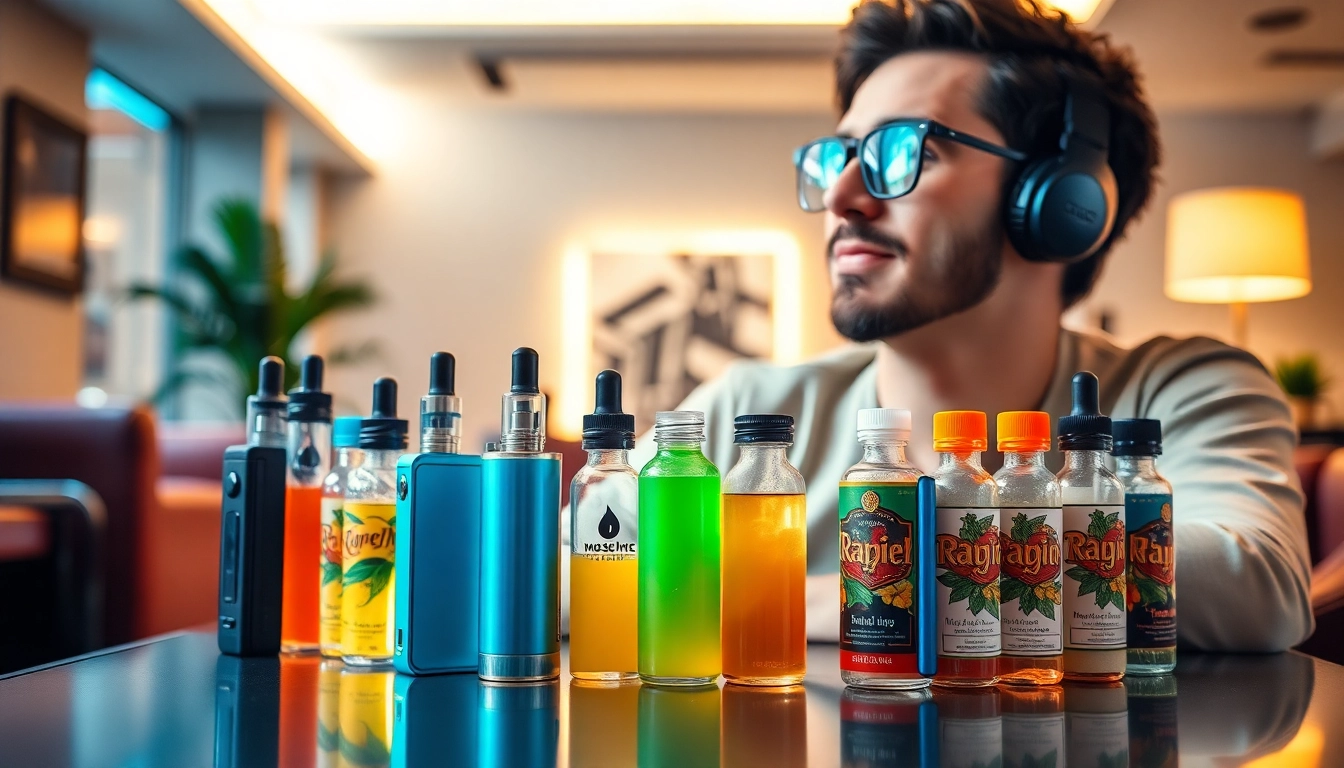
Understanding Vape & E-Liquids
As the world of vaping continues to expand, the terms "vape" and "e-liquids" have become increasingly commonplace in discussions about alternative nicotine consumption. Vape & E-Liquids are not just products; they represent a lifestyle and community that prioritizes flavor, experience, and personal choice. This comprehensive guide seeks to illuminate the nuances of vape and e-liquids, catering to both novices and seasoned users alike. By diving deep into their definitions, ingredients, types, and more, this article aims to empower readers with knowledge to make informed choices.
What Are Vape & E-Liquids?
Vape and e-liquids refer to the liquids used in electronic cigarettes and vape devices. These liquids are vaporized to produce an inhalable mist, providing a means for users to enjoy different flavors and nicotine concentrations without combustible tobacco. The fundamental difference between traditional smoking and vaping is that vapor can be created without burning, which leads to fewer harmful byproducts.
Vaping technology revolutionized the way people consume nicotine. With various devices available, from simple disposable vapes to sophisticated mods, users can tailor their experience based on personal preferences. The liquid itself—primarily composed of propylene glycol (PG), vegetable glycerin (VG), flavorings, and nicotine—offers a plethora of choices that can cater to individual tastes and nicotine needs.
Key Ingredients in Vape & E-Liquids
The composition of vape and e-liquids is crucial to understanding their impact on flavor and vapor production. Here’s a closer look at the primary ingredients:
- Propylene Glycol (PG): A colorless and odorless liquid that is commonly used in food and pharmaceuticals. PG is known for its throat hit, emulating the sensation of smoking.
- Vegetable Glycerin (VG): A thicker, sweeter liquid that enhances vapor production. VG is often favored for creating dense clouds and is preferred by those who enjoy large puffs.
- Flavorings: Concentrated compounds that provide the wide array of tastes available in e-liquids, ranging from fruits and desserts to menthol and beverage-inspired flavors.
- Nicotine: An optional ingredient that can be included in varying strengths. Users can choose from no nicotine to high concentrations based on their personal preferences.
Types of Vape & E-Liquids Available
The market offers a diverse range of vape and e-liquids, ensuring that users can find flavors and formulations that suit their tastes and needs. Here are the primary categories:
- Freebase Nicotine Liquids: Traditional nicotine form commonly found in many e-liquids, offering a solid throat hit and available in various strengths.
- Salt Nicotine Liquids: A newer form of e-liquid that allows for higher concentrations of nicotine without the harsh throat hit, making it an appealing choice for ex-smokers.
- DIY E-Liquids: For enthusiasts, creating your own e-liquids from base ingredients and flavorings allows for complete customization in terms of flavor and nicotine levels.
- Nicotine-Free Options: Ideal for those who enjoy the act of vaping and flavor but prefer to avoid nicotine altogether.
Choosing the Right Vape & E-Liquids for You
With the extensive variety of choices available, selecting the right vape and e-liquids can seem overwhelming. Here are essential considerations to help guide your decision:
Assessing Flavor Preferences
The first step in choosing a vape and e-liquid is identifying your flavor preferences. The options range from fruity and minty to savory and complex desserts. Experimenting with different flavors can be an enjoyable journey, as it allows users to discover their personal favorites. Many vendors even offer sample packs to try various flavors without committing to larger bottles.
Nicotine Strength Considerations
Nicotine strength is another crucial factor to consider. Beginners transitioning from traditional cigarettes may prefer higher nicotine levels initially, while seasoned users might opt for lower strengths or nicotine-free options. Typically, nicotine concentrations range from 0mg to 24mg per milliliter, allowing for varying degrees of satisfaction. It's important to align the chosen nicotine level with personal consumption habits to ensure a fulfilling experience.
Matching Device Compatibility
The vaping device you choose can significantly affect your e-liquid choice. Each device has particular specifications—such as wattage, resistance, and coil type—that may perform better with certain e-liquids. For instance, high-VG liquids are best suited for sub-ohm devices that produce large clouds, while higher PG liquids may work better in smaller mouth-to-lung devices. Ensuring compatibility not only enhances flavor and vapor production but also promotes a smoother vaping experience.
Vaping Techniques and Best Practices
Vaping is not just about choosing the right products; it also involves mastering certain techniques and following best practices that enhance the overall experience. Understanding these fundamentals will help you optimize your vaping sessions.
Methods of Vaping
Different vaping methods can dramatically affect the flavor and satisfaction of your experience. Here are a few common approaches:
- Mouth-to-Lung (MTL): Ideal for beginners, this method mimics traditional smoking by inhaling vapor into the mouth before drawing it into the lungs. It works best with higher nicotine and PG-based e-liquids.
- Direct-to-Lung (DTL): More suitable for experienced vapers, this technique involves inhaling the vapor directly into the lungs. DTL typically uses high-VG e-liquids for maximizing cloud production.
- Sub-ohm Vaping: Utilizing low-resistance coils, sub-ohm devices generate large vapor clouds and rich flavors, primarily utilizing high-VG e-liquids.
Dos and Don'ts of Vaping
To ensure a pleasurable and safe vaping experience, consider the following dos and don’ts:
- Do: Regularly clean your device and atomizers to ensure optimal performance and flavor.
- Do: Choose reputable brands for your vape juices and devices to guarantee quality and safety.
- Don't: Vape while driving or in situations where it might distract you or others.
- Don't: Mix different brands of e-liquids, as this can lead to unintended chemical reactions and poor flavor.
Maintenance Tips for Vaping Devices
Proper maintenance of your vaping device is essential for longevity and performance. Here are some maintenance tips:
- Clean Regularly: At least once a week, disassemble and clean your device components with warm water or gentle cleaning agents to remove residue.
- Replace Coils: Pay attention to the flavor and vapor production; if you notice burnt flavors, it might be time to replace your coils.
- Store Properly: Keep your devices in a cool, dry place to prevent any moisture damage and ensure a longer lifespan.
Health and Safety Aspects of Vape & E-Liquids
As vaping gains traction, discussions surrounding its health implications are equally important. While it is often seen as a cleaner alternative to traditional smoking, it is essential to approach vaping with caution.
Potential Health Risks
Although vaping is often regarded as a safer option than smoking, it is not without risks. Some potential health concerns include:
- Nicotine Addiction: As with traditional cigarettes, nicotine in e-liquids can contribute to addiction and dependence.
- Respiratory Issues: Some users may experience irritation or allergic reactions to certain ingredients in e-liquids, leading to coughing or other respiratory issues.
- Unknown Long-term Effects: Given that vaping is relatively new, the long-term health consequences are still being studied, and caution is advised.
Regulatory Guidelines for Vape & E-Liquids
Regulatory frameworks regarding vaping vary by region, with several governments taking steps to oversee the production and sale of e-liquids. Familiarize yourself with local laws and adhere to age restrictions related to the purchase and use of vape products. Compliance with regulations can contribute to the safety and reliability of your vaping experience.
Safe Storage and Usage Practices
Ensuring the proper storage and usage of vape devices and e-liquids is crucial for safety. Here are some best practices:
- Store e-liquids in a cool, dark place out of direct sunlight and away from children and pets.
- Ensure devices are kept in a protective case to prevent accidental activation or damage.
- Do not use e-liquids past their expiration date, as they may degrade in quality and safety.
The Future of Vape & E-Liquids in the Industry
The vaping industry is constantly evolving, driven by consumer preferences, technological advancements, and regulatory changes. Understanding these trends can help users stay informed about the future landscape of vaping.
Emerging Trends in Flavor Innovations
Flavor innovation continues to be a significant driving force in the vaping market. Manufacturers are continually experimenting with unique flavor profiles, combining traditional favorites with exotic notes to create unprecedented combinations. Trends such as dessert-flavored vapes, hybrid fruit mixtures, and even savory options are gaining traction, catering to diverse palates and preferences.
Technology Advancements in Vaping Devices
As the industry progresses, so do the technologies behind vaping devices. Innovations such as temperature control, customizable wattage settings, and advanced battery technologies promise improved flavor consistency, user-friendliness, and safety. These advancements empower users to take control over their vaping experience, ensuring that they can tailor it to their liking.
Consumer Insights and Market Predictions
The vape and e-liquid market's growth has attracted significant attention from researchers and analysts. Insights suggest that as awareness around vaping rises, the market will continue to grow, expanding into new demographics. Key focus areas for future consumers will likely include sustainability, quality, customizable experiences, and enhanced safety measures.