
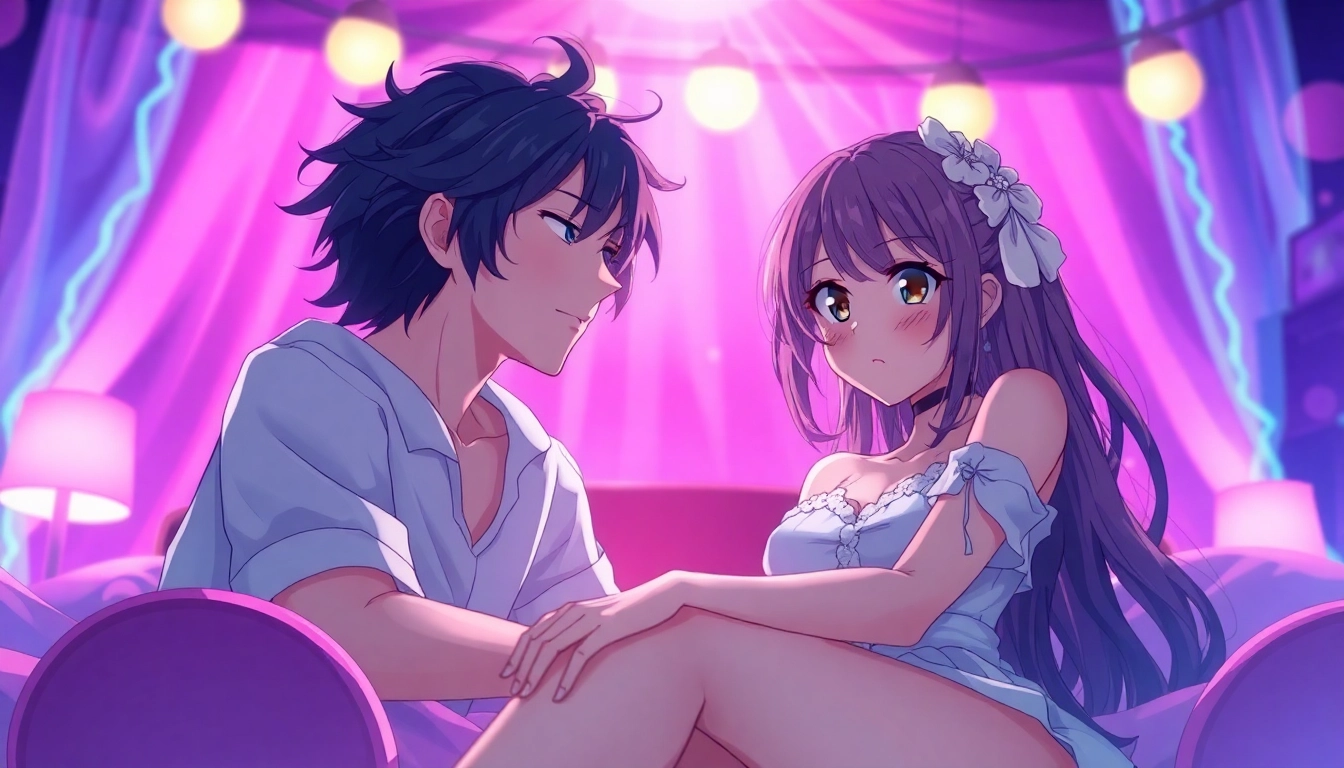
Understanding Anime Sex Culture
The world of anime sex intertwines with a variety of cultural, artistic, and social dynamics that have evolved significantly over the years. As anime has grown from a niche form of entertainment to a mainstream phenomenon, so too has its exploration of sexual themes. This intricate relationship reflects not only the fantasies and desires of its audience but also broader societal attitudes toward sexuality and expression. In this article, we will delve into the evolution of anime and its sexual themes, dissect key tropes that pervade the content, and explore cultural perspectives that inform how anime sex is produced and consumed.
1. The Evolution of Anime and Sexual Themes
Anime's history is rich and textured, with its roots tracing back to early 20th-century Japan. However, the incorporation of sexual themes began to gain more visibility in the late 1960s and 1970s. Series such as A Thousand and One Nights are often cited as pioneering works that introduced erotic elements into animated storytelling. Over the years, this genre has expanded, leading to the creation of sub-genres like hentai, which specifically caters to adult audiences. As production quality has improved and global reach has expanded, anime has diversified, influencing and reflecting changing attitudes towards sexuality across different cultures.
2. Key Tropes and Their Impact on Adult Content
In the realm of anime sex, certain tropes have become staples. For instance, the “innocent girl” theme often juxtaposes purity with erotic exploration, creating a dynamic tension that appeals to many viewers. Other common tropes include the “forbidden love” and “teacher-student” narratives, which explore power dynamics and taboo relationships. These tropes not only enhance storytelling but also cater to the fantasies of a diverse audience. Understanding these recurrent themes can help both creators and consumers navigate the complex landscape of anime erotic content.
3. Cultural Perspectives on Anime Sex
The portrayal of sex in anime does not exist in a vacuum; it is deeply influenced by cultural attitudes towards sexuality in Japan and beyond. Japan's unique blend of shyness and openness regarding sexual topics shapes the narratives and character interactions. Additionally, the global consumption of anime brings various interpretations and reactions, creating a rich tapestry of discourse around anime sex culture. As more international audiences engage with these themes, the conversation about consent, representation, and fantasy in anime continues to evolve.
Different Genres of Anime Sex
Anime sex can be categorized into various genres that each offer their own unique take on eroticism. From hentai to mainstream anime, the differences often lie in the intended audience and the explicitness of content. When exploring options, anime sex content can reveal a vast array of themes and styles that cater to specific tastes, ensuring there is something for everyone.
1. Exploring Hentai vs. Mainstream Anime
While mainstream anime may flirt with suggestive themes, hentai goes further by explicitly depicting sexual encounters. This distinction has led to considerable debate over censorship and artistic freedom. Hentai often embraces exaggerated depictions of sexuality, which can serve as both a draw and a point of contention among critics. In contrast, mainstream anime may subtly incorporate sexual elements within story arcs, often prioritizing character development and plot over explicitness.
2. Top Subgenres: Eroge, Yaoi, and Yuri
Within the landscape of anime sex, several subgenres stand out. Eroge, for instance, merges visual novels with adult content, allowing for interactive storytelling where choices impact sexual outcomes. Similarly, Yaoi and Yuri focus on romantic relationships between male and female characters, respectively, fostering a wide appeal among LGBTQ+ audiences. Each subgenre invites diverse narratives that enhance the viewer's experience of sexual themes.
3. The Role of Fantasy in Anime Sex
Fantasy plays a central role in anime sex, allowing creators to explore scenarios that may be unattainable or socially unacceptable in real life. By immersing viewers in fantastical worlds where the usual constraints of reality do not apply, anime sex content can provide escapism while still addressing real-life desires and issues. The interplay between fantasy and reality is crucial in understanding why such content resonates so deeply with audiences.
Creating Engaging Anime Sex Content
To craft compelling anime sex content, creators must pay close attention to various elements that enhance the viewer's experience. Engaging storylines, multidimensional characters, and striking visuals are not merely enhancements; they are essential for capturing and retaining audience interest.
1. Character Development and Story Arcs
Strong character development is pivotal in adult anime. Audiences are more likely to engage with characters whose journeys resonate on a personal level. This includes exploring their motivations, backgrounds, and emotional states. Story arcs that thoughtfully integrate sexual themes ensure that the explicit content is not merely gratuitous but serves to deepen character relationships and emotional stakes.
2. Artistic Styles That Enhance Appeal
The artistic style of anime can significantly influence how sexual themes are perceived. Different styles can evoke various emotions—soft, rounded designs may create a sense of warmth and intimacy, while sharper lines can convey edginess and intensity. Choosing an art style that aligns with the narrative and themes can enhance the overall impact of the content, drawing viewers further into the experience.
3. Best Practices for Inclusive Content
Inclusivity in adult anime is essential, as it ensures that diverse voices are represented. This includes presenting different sexual orientations, body types, and cultural backgrounds authentically. By creating characters that reflect a range of experiences and identities, creators can foster a broader connection with audiences, encouraging greater engagement and satisfaction.
Legal and Ethical Considerations
The adult anime industry operates within a complex web of legal and ethical considerations. Navigating these waters requires an understanding of copyright laws, representation norms, and societal values regarding sexuality.
1. Understanding Copyright in Adult Content
Copyright laws play a crucial role in protecting creators' works while also posing challenges. Plagiarism and unauthorized distribution can undermine the industry, making it essential for creators to understand how to protect their intellectual property. This includes knowing the difference between inspiration and infringement and navigating the often murky waters of fan art and derivative work.
2. Consent and Representation in Anime Sex
Consent is a recurring theme in adult content and is vital for ethical storytelling. Portraying consensual relationships ensures that the narratives promote healthy attitudes toward sexuality. Additionally, representation matters deeply; showing characters from diverse backgrounds engaging in consensual relationships can challenge stereotypes and broaden perspectives in the anime community.
3. The Future of Regulation in the Anime Adult Industry
As societal norms evolve, so too must the regulations governing adult content in anime. Emerging technologies—such as virtual reality and AI—are pushing the boundaries of traditional storytelling and may require new frameworks to ensure ethical practices. Engaging with policymakers, industry leaders, and audiences will be crucial in shaping the future landscape of anime sex content.
Marketing Anime Sex Content Effectively
Marketing within the adult entertainment industry requires a nuanced approach. Given the sensitive nature of the content, strategies must be thoughtfully crafted to avoid stigma while effectively reaching target audiences.
1. SEO Strategies for Adult Entertainment
Search Engine Optimization (SEO) is essential for visibility in a crowded market. Effective strategies include focusing on long-tail keywords specific to the niche, optimizing meta descriptions, and utilizing engaging multimedia. Content should be designed to resonate with audience queries while adhering to platform guidelines to prevent content from being flagged or removed.
2. Utilizing Social Media for Engagement
Social media can be a powerful tool for promoting adult content, but it comes with restrictions. Platforms often have explicit content policies, so creators must navigate these carefully. Building community engagement through interactive content, educational posts, and behind-the-scenes insights can create a loyal following while adhering to platform standards.
3. Collaborations: Building Networks in the Industry
Forming collaborations within the industry can amplify reach and foster innovation. Partnering with other creators, brands, and influencers can facilitate cross-promotion, allowing for shared audiences and varied content experiences. These networks can be instrumental in breaking into new markets and increasing visibility for all involved.