
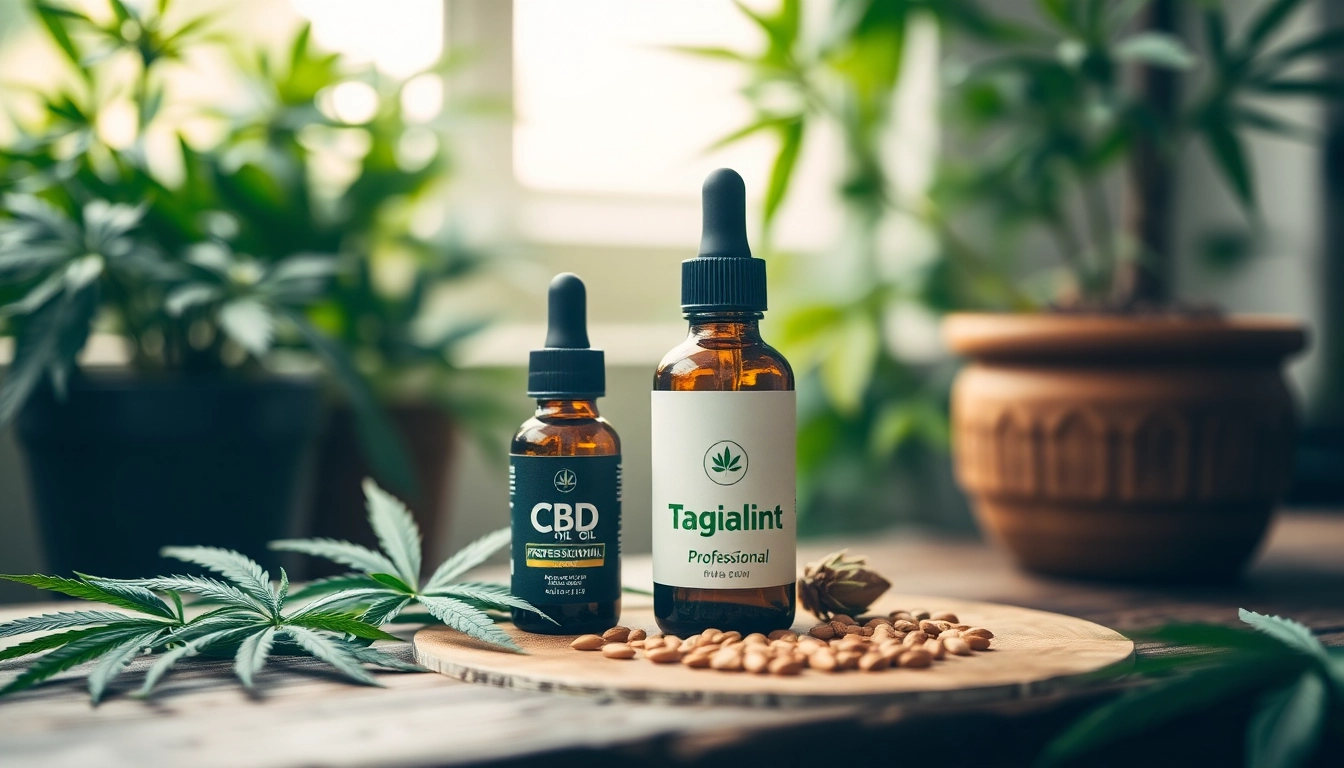
Introduction to CBD Oil and Its Uses
Cannabidiol, commonly known as CBD, is a compound derived from the cannabis plant. It has gained immense popularity in recent years, primarily due to its potential therapeutic benefits and non-psychoactive nature. Unlike its more famous counterpart, tetrahydrocannabinol (THC), CBD does not produce a 'high,' making it an appealing option for those seeking relief from various ailments without the intoxicating effects associated with cannabis. As the demand for natural remedies continues to rise, many individuals are turning to CBD Oil as a potential solution for health and wellness issues.
What is CBD Oil?
CBD oil is extracted from the flowers, leaves, and stalks of the cannabis plant, particularly those strains that contain minimal levels of THC. This oil is rich in cannabinoids, which are chemical compounds that interact with the body’s endocannabinoid system, a complex cell-signaling system that plays a crucial role in regulating several physiological and cognitive processes, including pain sensation, mood, appetite, and memory.
Primarily sourced from hemp, a cannabis plant variety, CBD oil is generally categorized into three main types: full-spectrum, broad-spectrum, and CBD isolate. Full-spectrum CBD oil contains all cannabinoids found in the plant, including trace amounts of THC, which can enhance its therapeutic effects. Broad-spectrum oil includes multiple cannabinoids, excluding THC. CBD isolate is the purest form, consisting solely of CBD without any other cannabinoids or compounds.
How is CBD Oil Extracted?
The extraction process is critical in ensuring that the beneficial compounds are preserved in the final product. There are several methods to extract CBD oil from cannabis, with the most common being CO2 extraction, solvent extraction, and oil extraction.
CO2 extraction utilizes pressurized carbon dioxide to pull out desired cannabinoids and terpenes from the hemp plant. This method is favored for its efficiency and ability to maintain product purity. Solvent extraction uses suitable solvents like ethanol or butane to dissolve the cannabinoids,, followed by evaporation to remove the solvent. Although cheaper, this method may leave residual solvents in the final product if not executed properly. Oil extraction is one of the oldest techniques, involving the use of olive or coconut oil, and is typically used for home extractions due to its simplicity.
The Legal Status of CBD Oil
The legal status of CBD oil varies widely from one region to another, with many countries gradually moving towards legalization due to its potential benefits. In the United States, the 2018 Farm Bill legalized the cultivation of hemp and the production of CBD oil, provided that it contains less than 0.3% THC. However, individual states may impose their regulations, causing a patchwork of laws around CBD that consumers must navigate. It's important for users to stay informed about local laws governing the sale and use of CBD Oil.
Health Benefits of CBD Oil
Relief from Chronic Pain
One of the most widely recognized benefits of CBD oil is its ability to alleviate chronic pain. Evidence suggests that CBD interacts with receptors in the brain and immune system to reduce inflammation and alleviate pain. This makes it a popular option for those suffering from conditions like arthritis, multiple sclerosis, and fibromyalgia.
Several studies have reported significant reductions in pain levels among patients using CBD oil for chronic pain disorders. For example, a review conducted in 2018 found that CBD had a positive impact on pain management across a range of conditions, though more extensive studies are required to fully understand its effectiveness and mechanisms.
Reducing Anxiety and Stress
Another compelling reason individuals are turning to CBD oil is for its anxiolytic properties. Research indicates that CBD may help reduce anxiety and promote a sense of calm. By affecting the serotonin receptors in the brain, CBD may play a crucial role in managing anxiety-related disorders.
In a study involving social anxiety disorder (SAD), participants who took CBD reported significantly lower anxiety levels during public speaking compared to those who did not receive the cannabis compound. As a result, CBD oil has become an appealing alternative for managing stress and anxiety without the side effects often associated with traditional pharmaceutical medications.
Impact on Sleep Quality
CBD oil has also been recognized for its potential to improve sleep quality. Many individuals struggling with insomnia or disrupted sleep patterns have reported improved rest after incorporating CBD oil into their routines. The ability of CBD to promote relaxation while reducing anxiety and pain contributes to its sleep-enhancing effects.
A comprehensive analysis indicates that CBD may help shorten the time it takes to fall asleep while boosting overall sleep time. Similarly, many anecdotal reports support its efficacy, making it a popular choice among those seeking to enhance their nightly rest.
How to Choose the Right CBD Oil
Types of CBD Oil
When choosing a CBD oil, understanding the different types available can be essential. As previously mentioned, the three primary types are full-spectrum, broad-spectrum, and CBD isolate.
Full-spectrum products provide the 'entourage effect,' where various cannabinoids and terpenes work together to enhance therapeutic benefits. Broad-spectrum offers similar benefits without the THC. Lastly, CBD isolate is ideal for those who prefer a product with just CBD. Each type has its unique strengths, so the choice ultimately depends on individual preferences and health goals.
Understanding Labels and Ingredients
Reading product labels is an essential step when selecting CBD oil. Look for critical information such as the concentration of CBD per serving, the type of extraction method used, and any additional ingredients. High-quality products will also include a certificate of analysis (COA) from a third-party lab, confirming the product’s content and ensuring it is free from contaminants.
Diligently reviewing the labels can help consumers avoid products with artificial additives or harmful substances that may negate the therapeutic benefits of CBD oil.
Considering Dosage and Potency
Dosage plays a significant role in the effectiveness of CBD oil. Starting with a low dosage and gradually increasing it allows users to find the right balance based on their body’s response. A general guideline suggests beginning with 1-6 mg of CBD per 10 pounds of body weight and adjusting as needed. However, individual needs may vary, and factors such as body chemistry, the severity of the condition, and personal tolerance must all be taken into consideration.
Understanding the potency of the product can also guide users in their dosage decisions. Higher potency usually means fewer drops are needed, while lower potency may require a more considerable volume to achieve the desired effects.
Potential Side Effects and Risks of CBD Oil
Common Side Effects
While many individuals use CBD oil without significant issues, some may experience side effects. Common effects include nausea, fatigue, dizziness, and changes in appetite. Some users have also reported diarrhea or dry mouth.
As with any supplement, it is crucial to monitor how your body responds and to consult with a healthcare provider if side effects persist or worsen. Long-term effects and interactions with other medications require further research, underscoring the importance of personalized approaches when using CBD oil.
Who Should Avoid CBD Oil?
Certain individuals should exercise caution or avoid CBD oil altogether. Those with underlying medical conditions, particularly those linked to liver function, should consult a healthcare professional before using CBD oil. Pregnant and breastfeeding women are also advised to abstain from using CBD due to limited research on its safety during these periods.
Additionally, individuals taking medication that interacts with grapefruit (such as blood thinners and certain anti-seizure drugs) should be cautious as CBD can affect how these medications are metabolized.
Consulting with Healthcare Professionals
Before integrating CBD oil into your routine, it is always beneficial to consult with a healthcare professional. They can provide personalized advice based on your health status, medications, and specific needs. This professional guidance ensures a safe and effective approach to using CBD oil for managing health conditions.
Integrating CBD Oil into Your Wellness Routine
Daily Consumption Methods
If you decide to incorporate CBD oil into your wellness routine, there are several consumption methods available. Sublingual administration, where drops are placed under the tongue for absorption, is popular as it allows for quick results. Other methods include capsule form, edibles, vaping, and topical applications. Each method offers unique advantages and may suit different lifestyles and preferences.
For instance, capsules provide convenience for on-the-go use, while topical applications can target localized pain or inflammation effectively. Vaping allows for rapid onset of effects but may not be suitable for everyone. Understanding how much CBD each method delivers is essential for achieving consistent results.
Combining CBD Oil with Other Wellness Practices
Many individuals find that combining CBD oil with other wellness practices enhances overall benefits. For example, pairing CBD with mindfulness practices such as yoga or meditation can amplify its stress-reducing effects. Similarly, integrating CBD into a post-workout recovery routine may support inflammation reduction and muscle relaxation.
Moreover, combining CBD oil with a healthy diet and regular physical activity can create a holistic approach to wellness, promoting well-being from multiple angles.
Real-life Success Stories
Anecdotal evidence and success stories from individuals using CBD oil offer valuable insights into its potential benefits. Numerous users report significant improvements in conditions ranging from anxiety and depression to chronic pain and sleep disorders. These personal accounts highlight not only the versatility of CBD oil but also the importance of individualized experiences. While scientific studies are essential for understanding the broader impacts, real-life narratives connect personal struggles with potential solutions, fostering a sense of community among users.